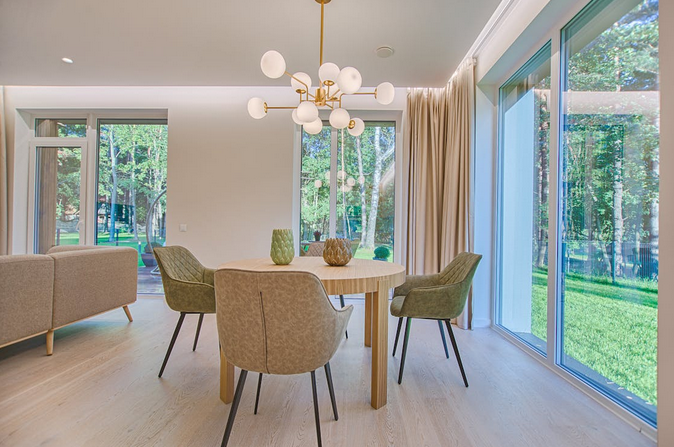
Many homes have a room that feels underused. It might be a guest room that stays empty most of the year. Or a dining room that only sees action during holidays. Meanwhile, other areas of the house feel crowded. Work, hobbies, storage, and relaxation all compete for space.
This is where convertible rooms quietly save the day. A flexible space can shift roles throughout the day. With a few smart choices, one room can handle several tasks without feeling chaotic. The trick is designing the room with adaptability in mind.
Choose Furniture That Can Transform
Convertible furniture often becomes the hero of multi-purpose spaces. A single piece can serve two jobs without taking extra floor space. Sofa beds are a classic example. During the day, the room works as a sitting area or home office. At night, it quickly turns into a guest bedroom. Fold-out desks work well, too.
When closed, they blend into the wall or look like a slim cabinet. Once opened, they create a comfortable workspace. Storage benches also pull double duty. They offer a place to sit while quietly hiding blankets, books, or hobby supplies inside. Furniture that adapts makes a small room feel surprisingly capable.
Use Zones to Define Activities
One room can support multiple functions if each activity has a clear zone. The layout simply needs a bit of intention. Start by placing furniture in small groupings. A desk in one corner signals work time. A chair and lamp in another area create a reading spot.
Even a simple rug can define a space. A soft rug under a small table helps separate a relaxation area from a workspace. Shelving units sometimes act as subtle dividers. They create visual boundaries while still keeping the room open. The space feels organized instead of chaotic.
Take Advantage of Vertical Space
Many homes forget about vertical space. Walls offer valuable storage and organization opportunities. Tall shelves can hold books, baskets, and decorative pieces without crowding the floor. Wall-mounted cabinets also keep everyday items accessible while maintaining a clean look.
Some homeowners install fold-down tables directly into the wall. These surfaces appear only when needed. Once folded away, the room instantly feels larger again. Hooks, pegboards, and floating shelves also help keep items off the floor. The room stays flexible because the center area remains open.
Keep Storage Simple and Accessible
A convertible space works best when clutter stays under control. Storage solutions play a big role here. Baskets, bins, and labeled containers keep items sorted and easy to locate. For example, a basket can hold craft supplies while another stores office materials. When activities change, the room resets quickly.
Rolling carts are another helpful option. They move around easily and can store supplies for specific tasks. At the end of the day, everything returns to its place. The room feels calm again instead of being overwhelmed by scattered items.
Let the Room Adapt to Your Life

One of the biggest advantages of a flexible space is its ability to evolve. Family needs change over time. A home office may later become a homework station for kids. A guest room might transform into a hobby studio. Rooms that serve several roles adapt more easily.…