Trading in your car might seem simple—drive to a dealership, let them inspect your vehicle, get a price. But the offer you receive isn’t just based on mileage or age. Several lesser-known factors can shift the value up or down, and some of them might not be what you expect. In this article, we’ll break down often-overlooked details that play a role in determining your car’s trade-in value. Understanding these can help you prepare smarter and possibly walk away with a more favorable deal than you imagined.
More Than Just Personal Taste
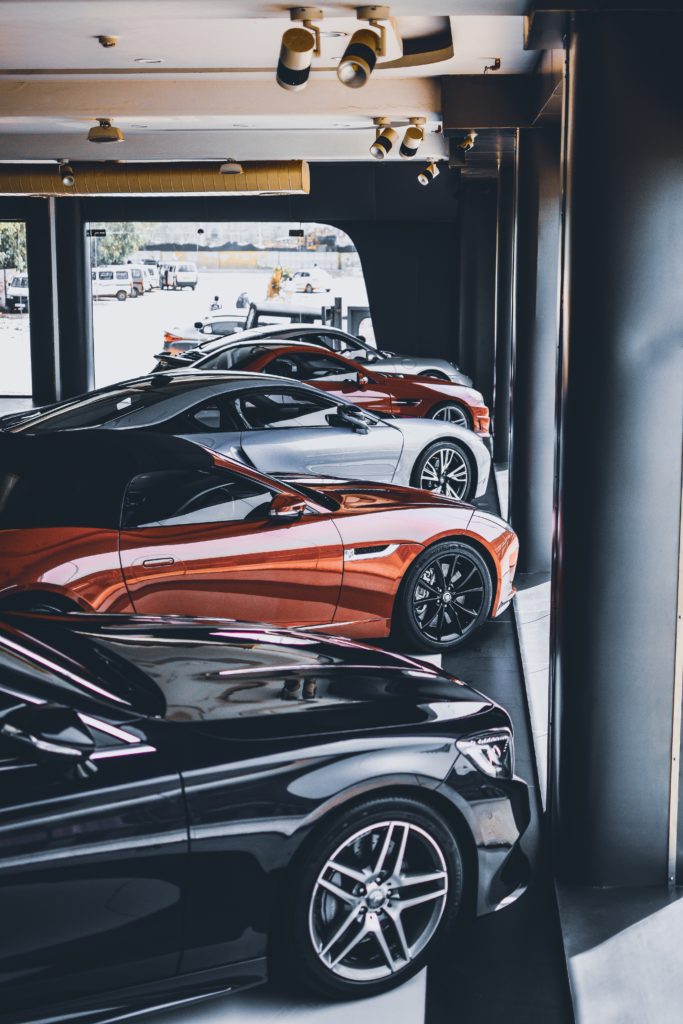
You might think the color of your car is purely cosmetic, but it can actually influence the trade-in price. Dealers consider how well a color sells in the local market. Neutral shades like silver, black, and white generally appeal to a broader group of buyers. On the flip side, unusual hues like bright orange or deep green may be seen as niche, which could make your vehicle harder to resell—and that affects your offer. In some areas, certain colors retain value better due to climate or regional trends. A white car may be more desirable in hot places, while darker tones might suit colder regions. Dealers don’t always explain this, but it subtly influences the math.
Service History: A Well-Documented Record Counts
A stack of receipts and timely service stamps may feel like clutter to you, but it can translate to extra dollars during a trade-in. Dealerships view maintenance records as a sign of how the car has been treated over time. Even if the car looks clean and drives fine, gaps in service can create doubt. Providing proof of oil changes, tire rotations, and fluid replacements reassures buyers down the line and makes your car more attractive to the next owner. That confidence gets reflected in the valuation.

Smell: Yes, Really
A car’s interior odor might not show up in the inspection checklist, but it has an impact nonetheless. Lingering smells from pets, smoke, or food can lower your trade-in value significantly. It’s not just about comfort—strong odors can suggest hidden issues like water leaks, mold, or interior neglect. Dealers want vehicles they can clean and resell quickly. If your car needs ozone treatments or deep cleaning to be showroom-ready, that’s going to be deducted from what they’re willing to pay you.
Current Demand and Inventory Fluctuations
Market trends influence vehicle values on a week-by-week basis. If your make and model are currently in high demand—perhaps due to fuel efficiency, reliability, or scarcity—your trade-in value can see a bump. Conversely, if the dealership’s lot already has a surplus of cars like yours, expect a lower number. This is often something out of your control, but timing your trade-in can make a noticeable difference. It helps to get quotes from multiple places or keep an eye on listings for cars similar to yours before heading in.
Minor Modifications and Aftermarket Add-Ons
While you might think that custom rims or a performance exhaust boost your car’s appeal, many dealerships don’t see it that way. Modifications can make resale harder since not all buyers want or trust changes that stray from the manufacturer’s specs. Even smaller touches like window tinting, audio upgrades, or altered lighting might prompt a lower offer if the dealer believes they’ll need to reverse those changes before reselling. It’s best to keep your car as close to stock condition as possible if you’re planning to trade it in soon.

Conclusion
There’s more to your car’s trade-in offer than meets the eye. Factors like color, smell, and even paperwork can quietly impact what the dealer is willing to pay. While some details—like market demand—aren’t always in your control, being aware of these five surprising elements puts you in a better position to prepare your car before heading in. Take time to clean the interior, gather your service records, and remove modifications where possible. These small efforts can have a big impact on how your car is perceived—and how much you’ll get in return.…